- Shop 22, Mahavir Varsha CHS., Sec-6, Ghansoli, Navi Mumbai-400 701.


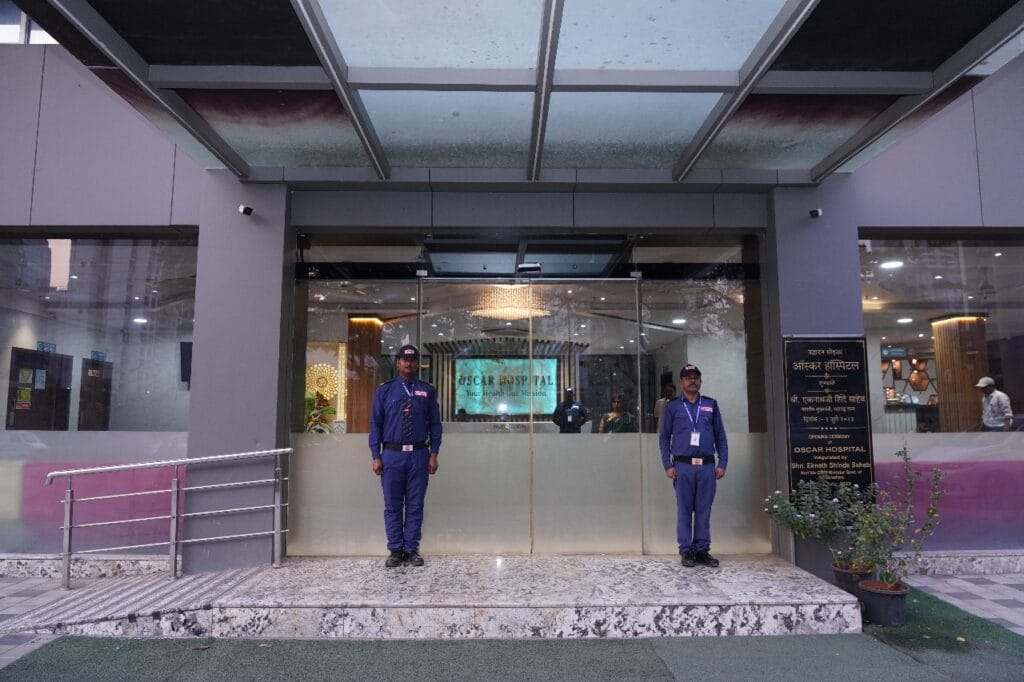
Managing visitors effectively is an important part of workplace safety and property management. Whether it is a corporate office, residential society, hospital, educational institution, warehouse, or commercial building, controlling visitor access helps organizations maintain security, improve accountability, and create a safer environment.
Many businesses invest heavily in infrastructure, employees, and operational systems but often overlook the importance of a structured visitor management process. Poor visitor tracking can result in unauthorized access, operational disruptions, security concerns, and compliance challenges.
By implementing proper visitor management procedures, organizations can maintain control over who enters their premises while ensuring a smooth and professional experience for guests.
Every organization receives visitors, including clients, vendors, contractors, delivery personnel, maintenance teams, job applicants, and service providers.
An effective visitor management process helps organizations:
A structured visitor management process contributes significantly to the overall safety and security of any organization.
One of the most common challenges faced by businesses and residential properties is unauthorized entry. Individuals entering premises without proper approval can create security concerns and expose organizations to unnecessary risks.
Implementing proper access control measures helps reduce the chances of unauthorized visitors accessing restricted areas.
Many organizations still rely on manual visitor registers that may contain incomplete or inaccurate information.
Without reliable records, businesses may find it difficult to track visitor movements or investigate incidents when required.
Visitors should only be allowed access to locations relevant to their purpose of visit.
Allowing unrestricted movement can increase risks related to confidential information, operational processes, and valuable business assets.
During emergencies such as fire incidents, medical situations, or evacuations, businesses need accurate records of everyone present on the premises.
Without proper visitor management procedures, emergency response efforts become more challenging.
Every visitor should follow a consistent entry procedure.
Collecting essential information such as visitor name, contact details, purpose of visit, and host information helps organizations maintain accurate visitor records and improve accountability.
Identity verification is an important step in maintaining workplace security.
Businesses should verify visitor credentials whenever necessary before granting access to the premises.
Businesses should clearly define which areas visitors can access and establish authorization procedures accordingly.
Reception teams and professional security services play an important role in monitoring entry points, controlling visitor movement, and maintaining workplace discipline.
Technology has significantly improved visitor management and workplace security.
Many organizations use digital visitor tracking tools and electronic surveillance solutions to monitor activities, maintain records, and improve visibility across critical areas.
Electronic monitoring systems help organizations identify unusual activities and support incident investigations.
Accurate visitor records provide valuable information for audits, investigations, and emergency response situations.
Organizations should securely maintain visitor information and review records periodically.
Reception teams and security personnel should receive proper training on visitor verification, incident reporting, access control procedures, and emergency response protocols.
Well-trained personnel help ensure visitor management policies are followed consistently.
Visitor management is most effective when combined with strong hiring and employee screening processes.
Organizations should ensure that employees, contractors, and temporary staff undergo appropriate verification before receiving access to business premises and sensitive information.
Implementing background verification services helps businesses reduce hiring risks, improve workplace trust, and build a reliable workforce.
A combination of visitor management and employee verification creates a stronger foundation for workplace security.
Visitor safety should be included in every organization’s emergency preparedness strategy.
Businesses should establish evacuation procedures that account for visitors, contractors, and guests present on-site during emergencies.
Conducting regular fire safety drills helps employees understand emergency procedures, improve response times, and ensure safe evacuation practices.
Organizations that prioritize preparedness are often better equipped to handle unexpected situations with minimal disruption.
Organizations that implement structured visitor management procedures often experience:
A proactive visitor management strategy supports both security and business continuity goals.
Visitor management refers to the process of monitoring, recording, and controlling visitor access within a workplace, residential property, or commercial facility.
Visitor management helps improve workplace safety, reduce unauthorized access, maintain visitor records, and support emergency response procedures.
Corporate offices, residential societies, hospitals, educational institutions, warehouses, manufacturing facilities, and commercial buildings can all benefit from visitor management processes.
Visitor management improves security by verifying visitor identities, controlling access to sensitive areas, maintaining records, and supporting emergency preparedness.
Visitor management is a critical component of workplace safety and operational efficiency. By implementing structured visitor procedures, verifying identities, controlling access, and maintaining accurate records, organizations can significantly reduce security risks and improve overall safety.
When combined with professional security personnel, electronic monitoring systems, employee verification processes, and emergency preparedness measures, visitor management becomes a powerful tool for protecting employees, visitors, and business assets.